
If you eat mostly plants, your plate has six jobs to cover: protein, iron, B12, calcium, omega-3 fats and fibre. Each one has ordinary, affordable sources, and none requires a special product or a vegan label. This guide covers plant based nutrition basics as a framework you can apply at the next meal you plan.
The plant-based plate in one picture
Picture a dinner plate. Fill about half of it with vegetables, with some fruit at other meals. Give roughly a quarter to a protein food such as beans, lentils, tofu or tempeh. Give the last quarter to a whole grain or starchy food such as brown rice, oats, potatoes or whole-wheat bread. Add a spoonful of something rich in fat, like nuts, seeds, olive oil or avocado.
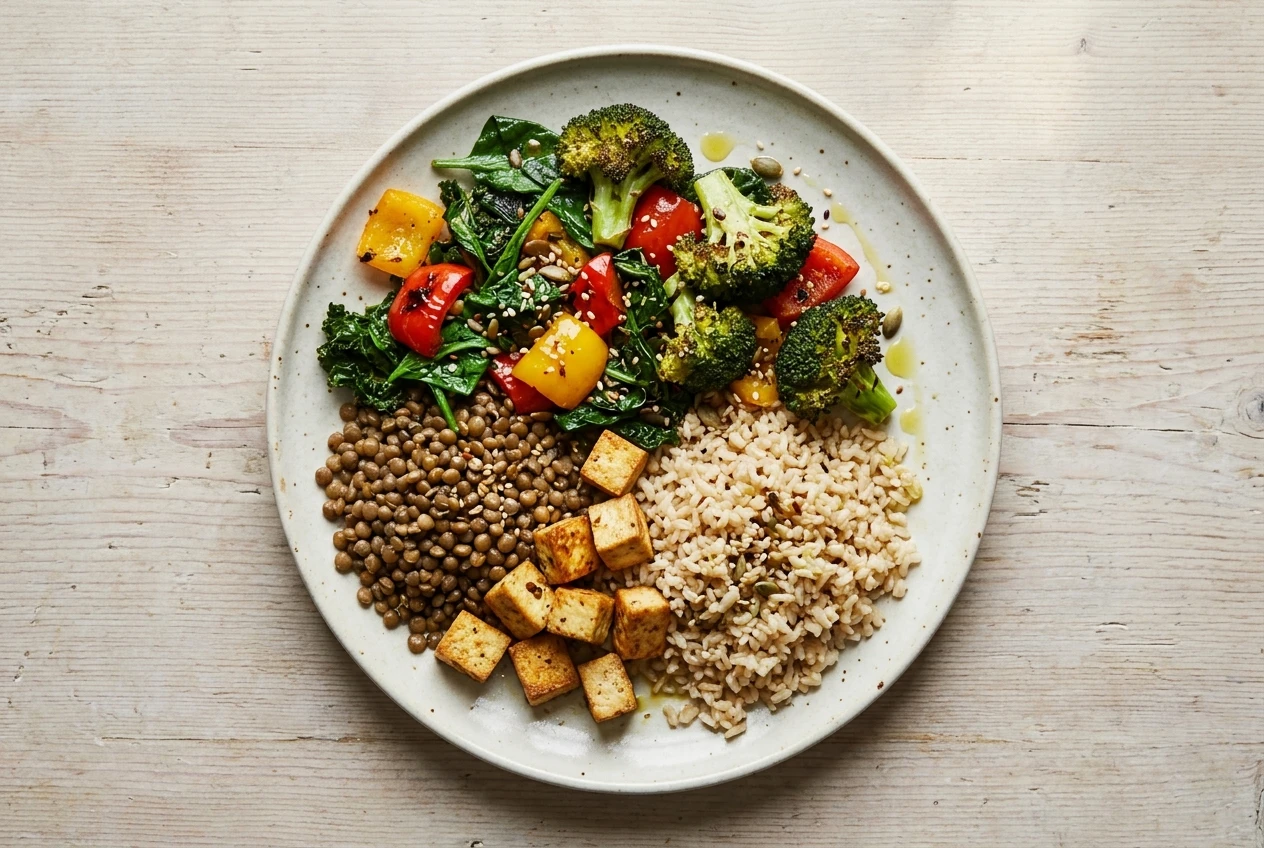
We’d This is a rough layout, not a measuring exercise. A bowl of chili, a stir-fry over rice or a loaded baked potato all fit it without being arranged into sections.
The plate is also flexible about animal foods. A plant-forward diet puts plants in the largest share of the plate. It does not require you to remove eggs, dairy, fish or meat. Some people keep a little of these, some keep none, and the framework works for both. The only difference is which nutrients need extra attention, and that comes up below. Many of the foods that show up in top foods for longevity lists are plant foods that fit this plate easily.
Protein from plants
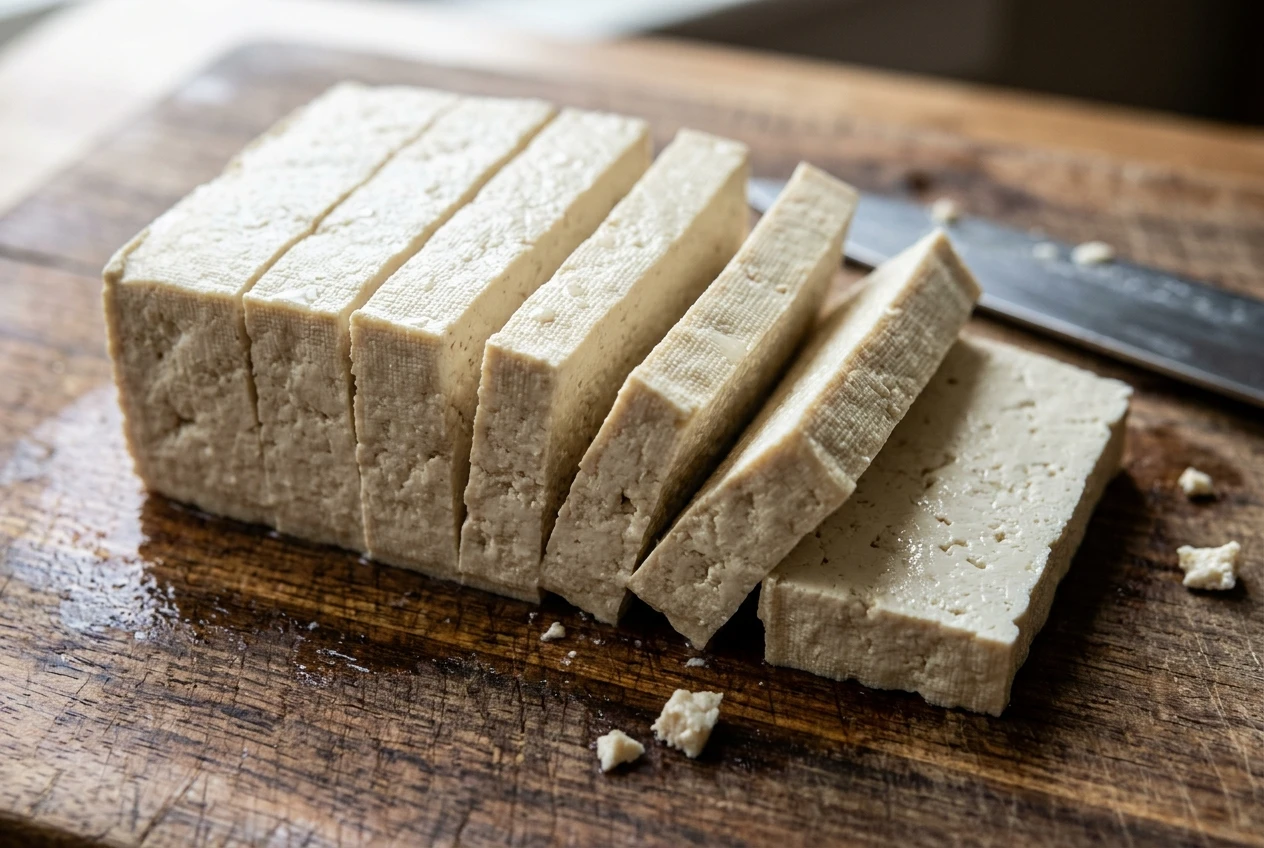
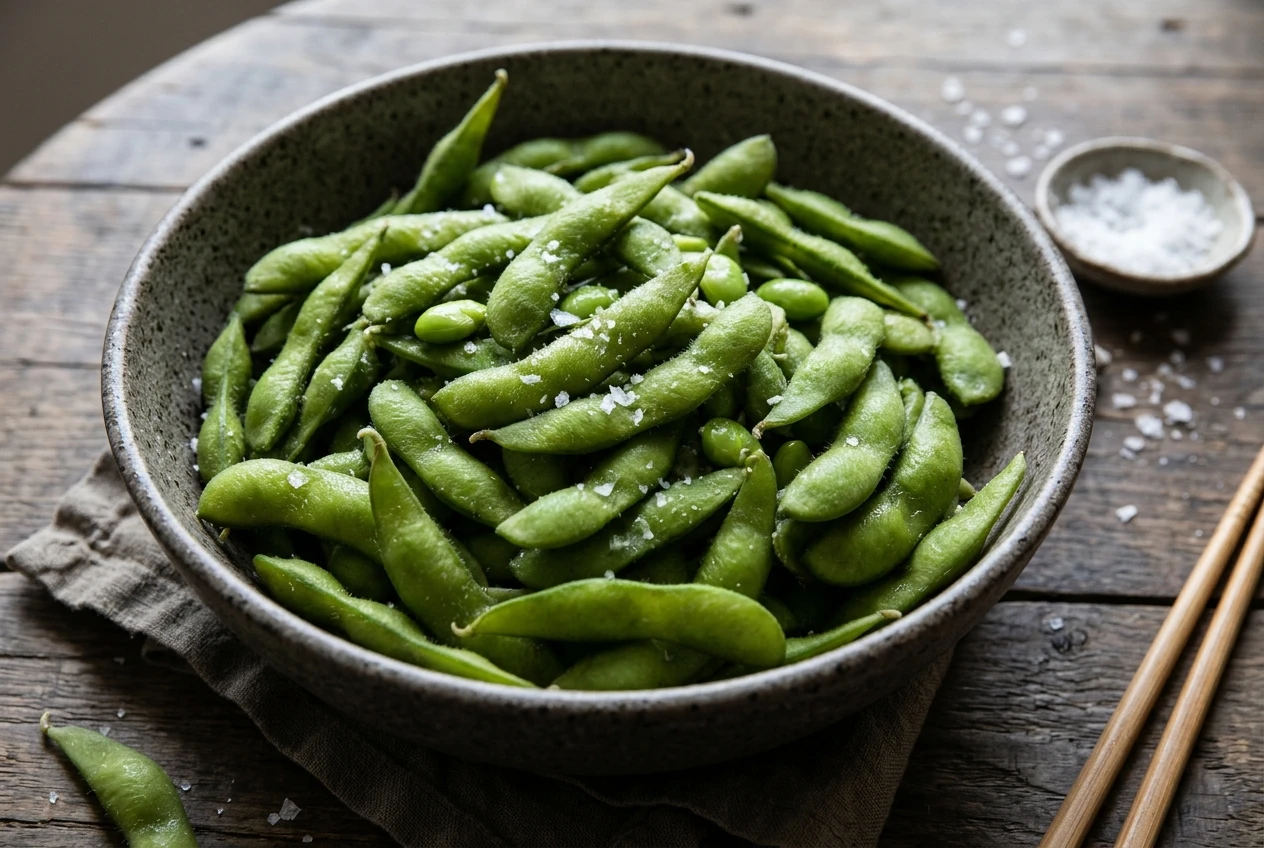
Beans, lentils, chickpeas, tofu, tempeh, edamame, peas, nuts, seeds and whole grains all contain protein. A cup of cooked lentils or a block of tofu goes a long way toward a meal. Even oats and whole-wheat pasta add some protein, and across a full day it accumulates.
You may have heard that plant proteins must be paired at every meal to be “complete.” Plant proteins differ in their amino acid makeup. Grains tend to be lower in lysine, and beans tend to be lower in methionine. Eating a variety of them over the course of a day covers the difference, so you do not need to plan each plate as a puzzle.
Some combinations happen naturally:
- Rice and beans
- Hummus on whole-wheat pita
- Peanut butter on whole-grain toast
- Tofu stir-fry over brown rice
- Lentil soup with bread
Soy foods such as tofu, tempeh and soy milk are the most complete plant proteins on their own, which makes them useful if you want a reliable anchor. If you are eating plants to support exercise, simple healthy foods to build muscle covers that goal in more detail.
A practical check: if every meal has a recognisable protein food, whether beans, tofu, eggs, fish, yoghurt or something else you eat, your protein is likely to be fine.
The nutrients to plan for
Protein gets most of the attention, but a handful of other nutrients are easier to miss on a plant-leaning plate. Here is where each one shows up.
Vitamin B12
B12 is the one nutrient you cannot count on from unfortified plant foods. It is found naturally in animal foods such as meat, fish, eggs and dairy. If you eat some of those regularly, you may already be covered. If you eat no animal foods at all, you need a reliable source: fortified foods such as some plant milks, breakfast cereals and nutritional yeast, or a supplement. Check labels, since fortification varies by product.
Iron
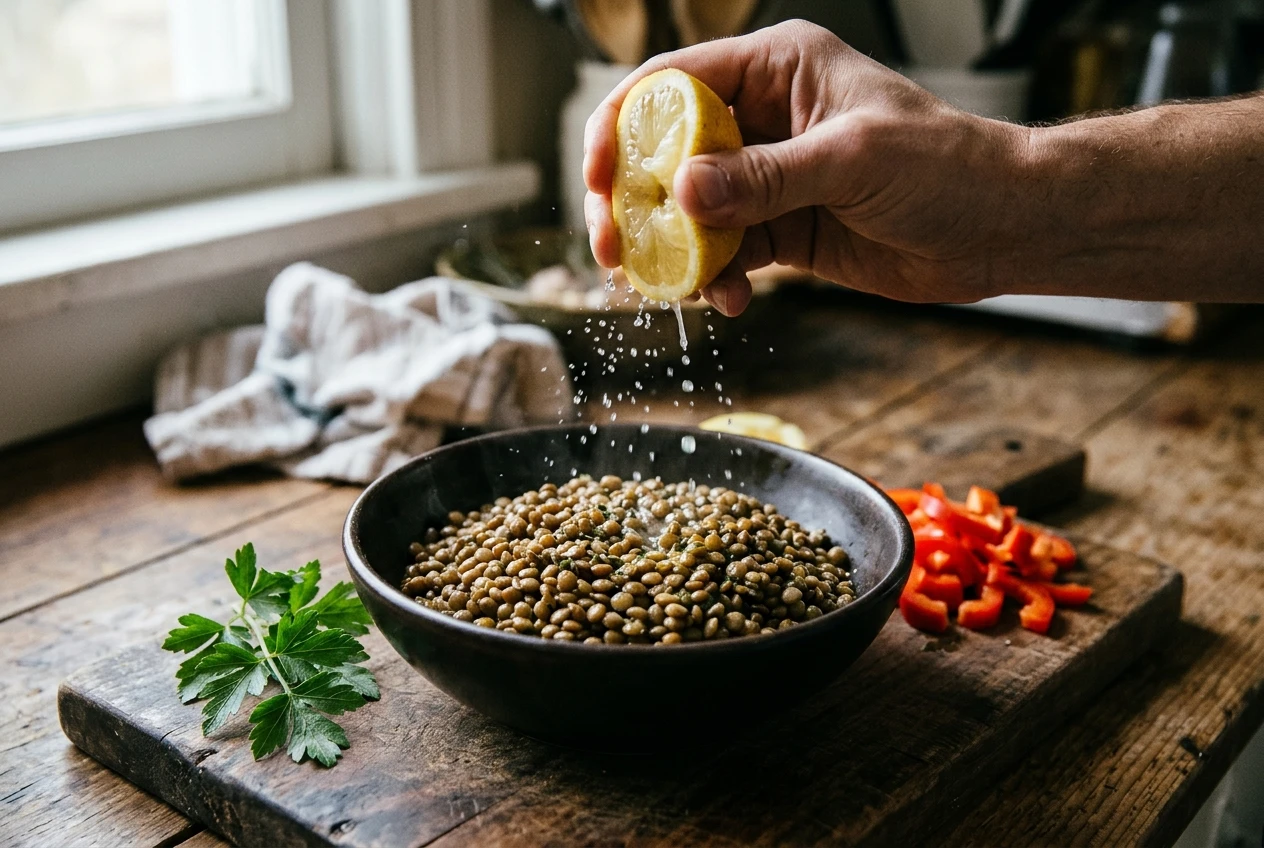
Beans, lentils, tofu, pumpkin seeds, oats, quinoa, dark leafy greens and fortified cereals all contain iron. Plant iron is absorbed less efficiently than the iron in meat, but pairing it with vitamin C helps. Squeeze lemon over lentils, add peppers to a bean chili or eat an orange alongside your oatmeal. Tea and coffee with a meal can reduce absorption, so it helps to have them between meals instead.
Calcium
Good plant sources include tofu made with calcium sulfate, fortified soy or oat milk, bok choy, kale, broccoli, white beans and tahini. Dairy, if you eat it, counts too. Spinach has plenty of calcium on paper, but it is poorly absorbed, so do not rely on it for this job.
Zinc and iodine
Zinc is in beans, chickpeas, pumpkin seeds, cashews, oats and whole grains. Soaking dried beans and using sourdough or sprouted breads can improve how well zinc is absorbed. Iodine matters for the thyroid, and plant foods are an unreliable source because it depends on the soil. Iodised salt is the simplest source, along with dairy, eggs and fish if you eat them. Seaweed contains iodine but in widely varying amounts, so it is better as an occasional food than a daily one.
Omega-3 fats
Flaxseed, chia seeds, hemp seeds and walnuts provide ALA, a plant omega-3. Your body converts only a small share of ALA into the longer-chain forms (EPA and DHA) found in fish. If you eat fish a couple of times a week, that may cover it. If you do not, ask a doctor or dietitian whether an algae-based supplement is worth considering. A tablespoon of ground flaxseed in oatmeal or yoghurt is an easy daily habit.
Fibre and whole foods
Fibre is the nutrient most people do not get enough of, and plants are where it comes from. Beans, lentils, oats, vegetables, fruit, nuts, seeds and whole grains all contain it. Fibre helps digestion run regularly and tends to make meals more filling, which is useful if you want to feel satisfied on a modest budget.
The catch is that a sudden jump in fibre can cause gas, bloating and discomfort. Your gut bacteria need time to adjust. These steps help:
- Add one new high-fibre food at a time, rather than switching your whole diet in a week.
- Start with small portions of beans, such as a quarter cup, and increase gradually.
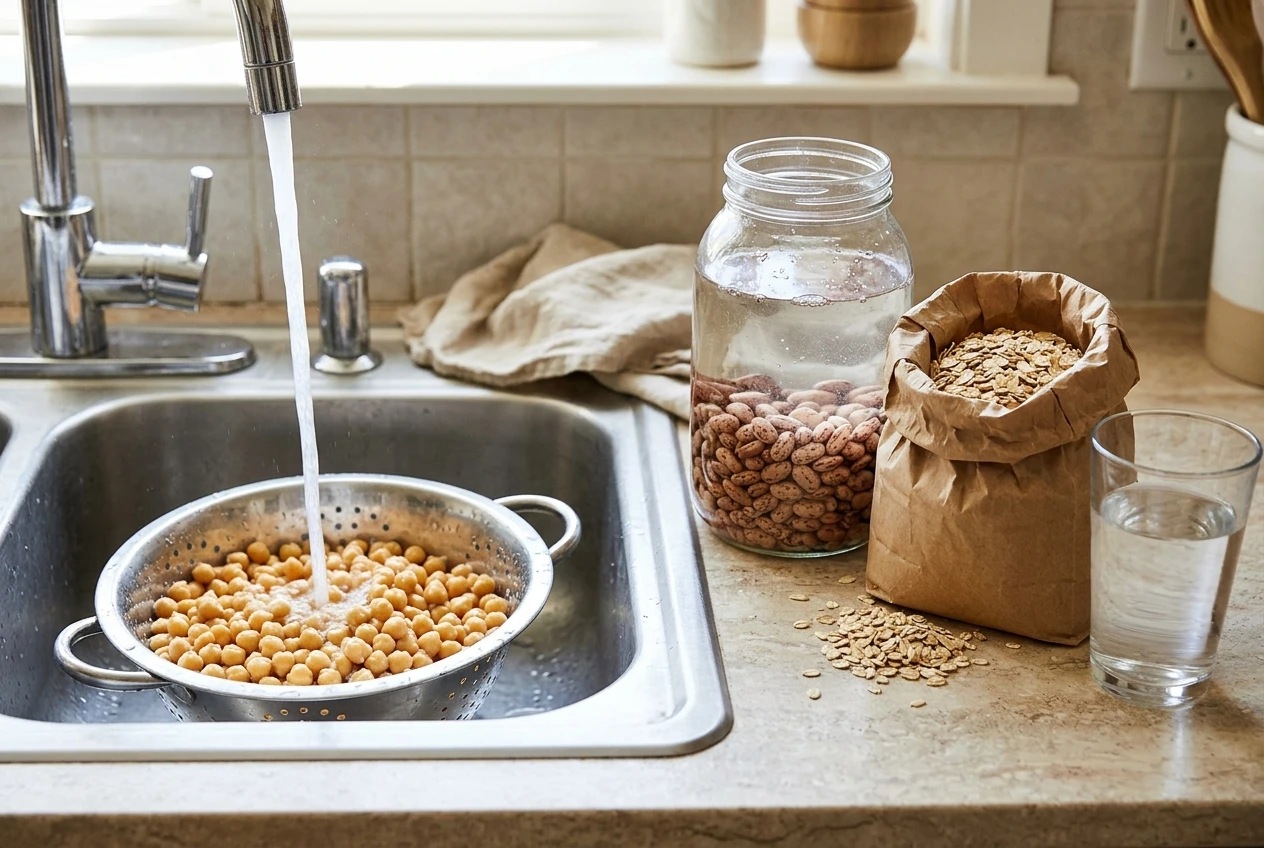
- Rinse canned beans well, and soak and drain dried beans before cooking.
- Drink more water as fibre goes up, since fibre works best with fluid. The health benefits of drinking water article explains why.
- Chew slowly. It helps more than people expect.
If bloating persists, natural remedies to relieve bloating offers more ideas, and a persistent problem is worth raising with a doctor.
Whole foods also deserve a note. Brown rice, whole-wheat bread and oats keep more fibre and minerals than their refined versions. Still, a bowl of white rice with beans and vegetables is a perfectly good meal. Refined grains are not a failure. They are just a place where a small upgrade is available when you want one.
Eating more plants without being restrictive
A rule-heavy approach is hard to keep up when you are busy. Smaller changes last longer, and they add up to the same result: more plants on more plates.
Some low-effort ways to start:
- Swap one ingredient. Use half beans and half ground meat in tacos or chili. Use mushrooms or lentils in a bolognese sauce.
- Pick a plant-forward day or meal. Meatless Monday works, but so does “every weekday lunch.” Choose whatever fits your schedule.
- Add before you subtract. Put a side of vegetables or beans on the plate before worrying about what to remove.
- Keep the foods you love. If you enjoy cheese, eggs or a weekend steak, they can stay. A diet you enjoy is one you will continue.
- Skip the specialty products. Plant-based burgers, vegan cheeses and imitation meats are optional. Dried beans, oats, rice, frozen vegetables and canned tomatoes cost less than most of them and cover the same nutritional jobs.
Frozen vegetables are worth a mention here. They are picked and frozen quickly and cut down on waste, which makes them a cheap and reliable base. See frozen vegetables and their health benefits for details.
A simple day of plant-based eating on an everyday budget
Here is one way to cover the jobs above with inexpensive, widely available foods. Treat it as a sample, not a prescription. Swap in what you like and what is in your cupboard.
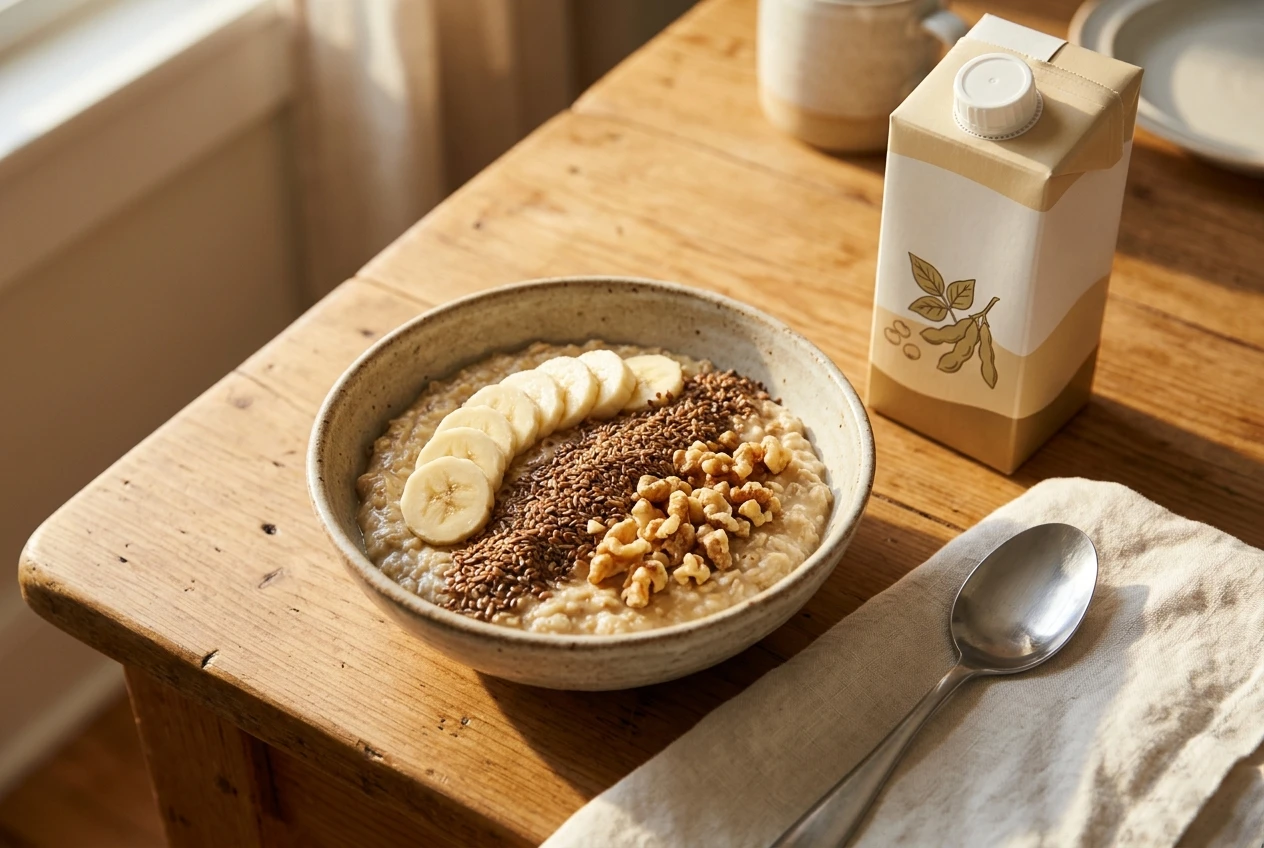
Breakfast: Oatmeal cooked with fortified soy milk, topped with a banana, a spoonful of ground flaxseed and a few chopped walnuts. That brings fibre, protein, B12 from the fortified milk if the label includes it, calcium and omega-3s in one bowl. If you want ideas on keeping mornings cheap, see how to have a healthy breakfast for $1.
Lunch: Lentil soup with a slice of whole-grain bread and a side salad dressed with olive oil and lemon. The lemon helps with iron absorption. A batch of soup can last several days; the simple healthy meal prep ideas article is a good companion if you cook ahead.
Snack: Carrot sticks with hummus, or an apple with peanut butter.
Dinner: Tofu stir-fried with frozen broccoli, peppers and garlic, served over brown rice. Choose tofu set with calcium sulfate for a calcium boost. Add a sprinkle of sesame seeds for zinc.
Optional additions: A boiled egg, some yoghurt or a can of sardines can slot into any of these meals if you eat them. They make B12, iodine and omega-3s easier to cover without any extra planning.
The staples behind this day are dried or canned beans and lentils, oats, rice, frozen vegetables, seasonal fruit, tofu and a few seeds or nuts. They keep for a long time, and most of them are among the cheapest foods in the shop.
When to talk to a doctor or dietitian
General guidance only goes so far. A registered dietitian or doctor can look at your health history, your medications and your blood work, which a framework like this cannot. It is worth booking a conversation if:
- You are pregnant, trying to conceive or breastfeeding.
- You are feeding a child or teenager a mostly plant-based diet.
- You are an older adult, since B12 absorption can decline with age.
- You have a digestive condition, kidney disease or another diagnosed health issue.
- You take regular medication.
- You feel unusually tired, weak or lightheaded after changing how you eat.
Supplements are worth discussing in a few specific cases. B12 is the one most often recommended for people who eat no animal foods. Vitamin D, iodine, iron and algae-based omega-3 may come up depending on your diet, where you live and your test results. Iron in particular should not be taken without a reason, because too much can cause harm. A blood test can tell you whether you need it. If you want to compare products, the review of Nature Made vitamins may help you know what to look for on a label, though a professional should guide which ones you actually take.
Your next step
Pick one meal this week to make plant-forward. Keep it ordinary: a bean chili, a tofu stir-fry or a pot of soup. Then browse the grocery list for healthy eating and the article on why lentils are healthy for ideas to start with.


